
Your Inspection
What Makes A Logic Inspection Different
Schedule Your Home Inspection
Schedule your inspection online and wait for your confirmation email.
Most inspectors have a checklist. We have a system.
Every Logic Inspection runs on The Zero Gap Method — our proprietary inspection process designed to ensure every inspection is performed with precision, consistency, and attention to detail.
We don’t rely on guesswork or hope that problems jump out during the inspection. We follow a proven system that ensures each home is inspected carefully and methodically.
We focus on what actually matters.
Not every finding is equal. Some issues are safety hazards, some are costly repairs, and some are minor cosmetic concerns. We help you understand the difference so you can negotiate confidently and move forward without second-guessing your decision.
Your inspection report is delivered within 24 hours — clear, visual, and loaded with photos and video so you know exactly what we found.
And if questions come up after you review the report, we’re still available.
At Logic Inspection Group, the inspection doesn’t end when we leave.
5 Benefits of a Home Inspection
Negotiations Leveraged
Buyers can use the inspection report to negotiate a better price or ask for repairs, while sellers can choose to address issues before listing to justify their asking price.
Ensures Your Safety
A home inspection evaluates critical safety concerns such as electrical hazards, carbon monoxide risks, mold, and structural integrity.
Prepares You For the Future
We can point out components near the end of their lifespan (such as HVAC systems or water heaters) so you can budget accordingly.
Garners Trust
Sellers who conduct pre-listing inspections can show transparency and build buyer trust, potentially leading to quicker offers and smoother negotiations.
Grants Peace of Mind
Knowing the condition of the home helps you feel confident in your purchase or sale and reduces surprises after the transaction.
What's Included in a Home Inspection?

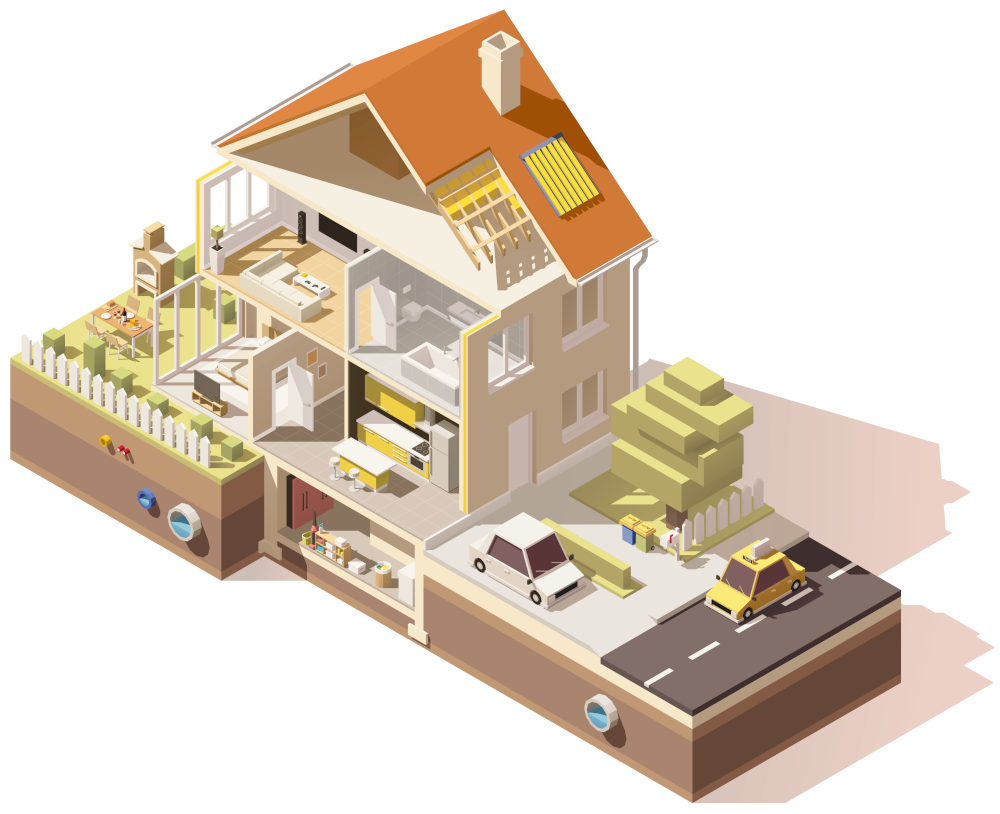
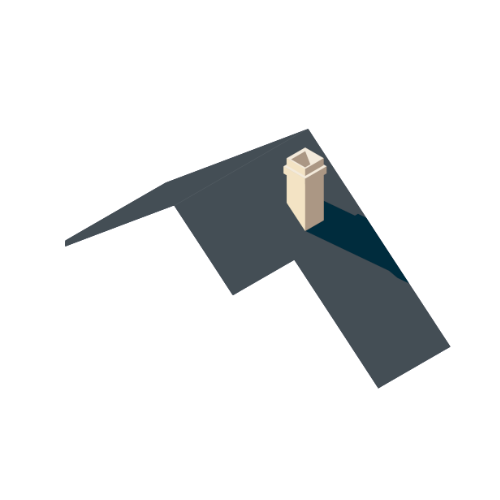
Roof
Roof coverings, gutters, downspouts, vents, flashing, skylights, chimney, roof penetrations and the general structure of the roof.
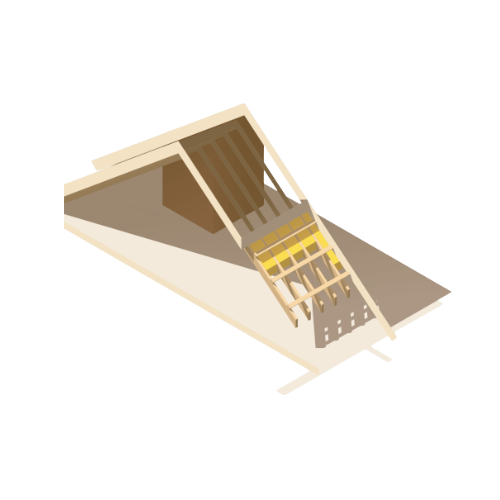
Attic, Insulation, Ventilation
Insulation and ventilation of unfinished spaces, including attics, crawl spaces, foundation areas and exhaust systems.
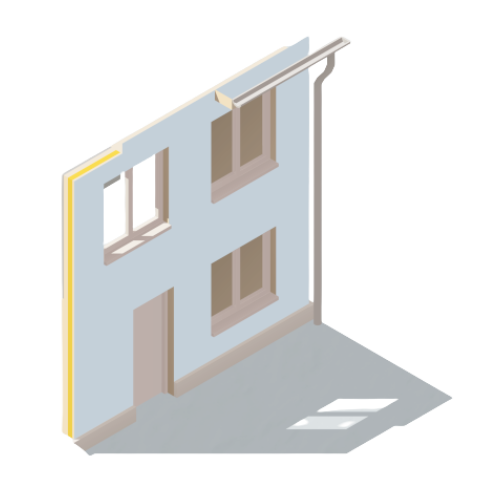
Exterior
Siding, windows, exterior doors, flashing & trim, walkways, driveways, stairs, patios & decks, and drainage.
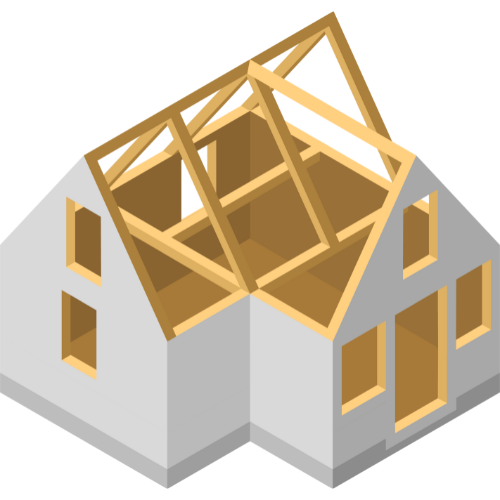
Basement, Foundation, Crawlspace, Structure
Foundation movement, cracks, structural concerns, and indication of water penetration.

Cooling
Cooling system, location of thermostat, energy source and cooling method.
Heating
Heating system, location of thermostat, energy source and heating method.
Fireplace
Visible portions of the fireplace & chimneys, lintels, damper doors, and cleanout doors & frames.
Plumbing
Main water & fuel supply shut-off valves, water heater, interior water supply, toilets, sinks, tubs, showers, drain, waste and vent systems.
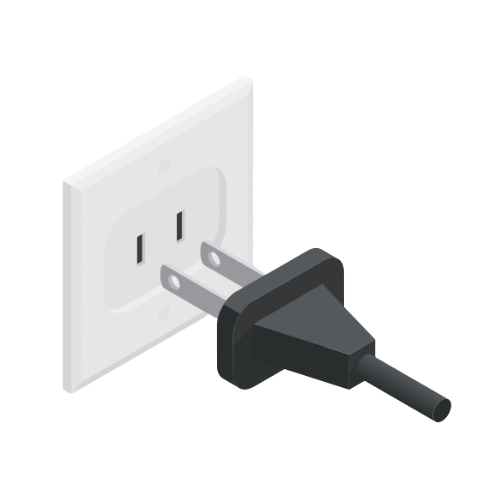
Electrical
Service drop, overhead service conductors, service head & mast, main service disconnect, panelboards, grounding, switches, light fixtures, receptacles deemed to be AFCI & GFCI, and the presence of smoke alarms & carbon monoxide detectors.
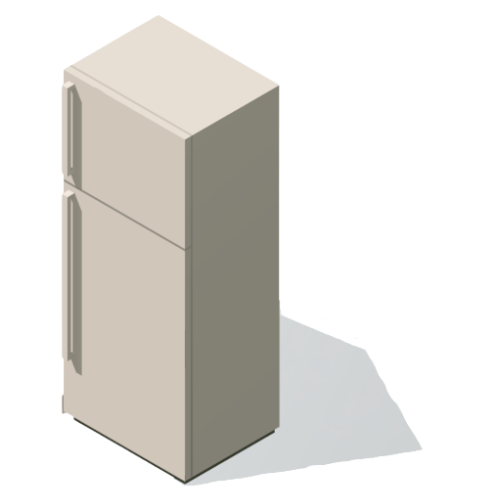
Appliances
Dishwasher, disposal, range, oven, microwave, refrigerator, exhaust, bathroom heater, garage door, doorbell, and dryer vent
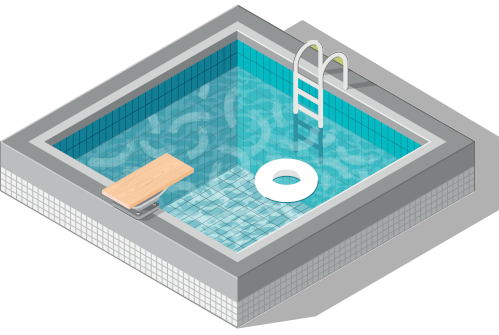
Pool
Circulation, heating, filtering, electrical, water chemistry, and possible safety issues.
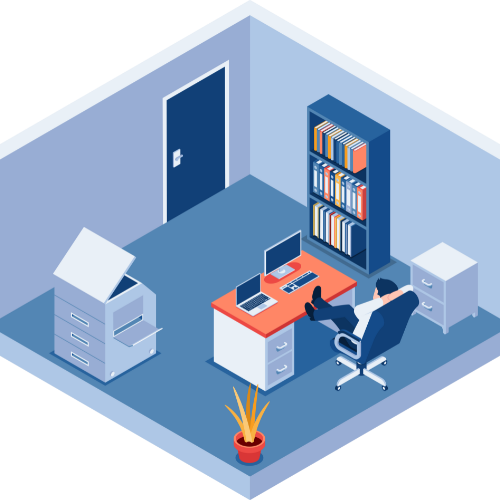
Doors, Windows, Interior
Representative number of doors & windows, floors, walls, ceilings, stairs, railings, garage door and openers.
